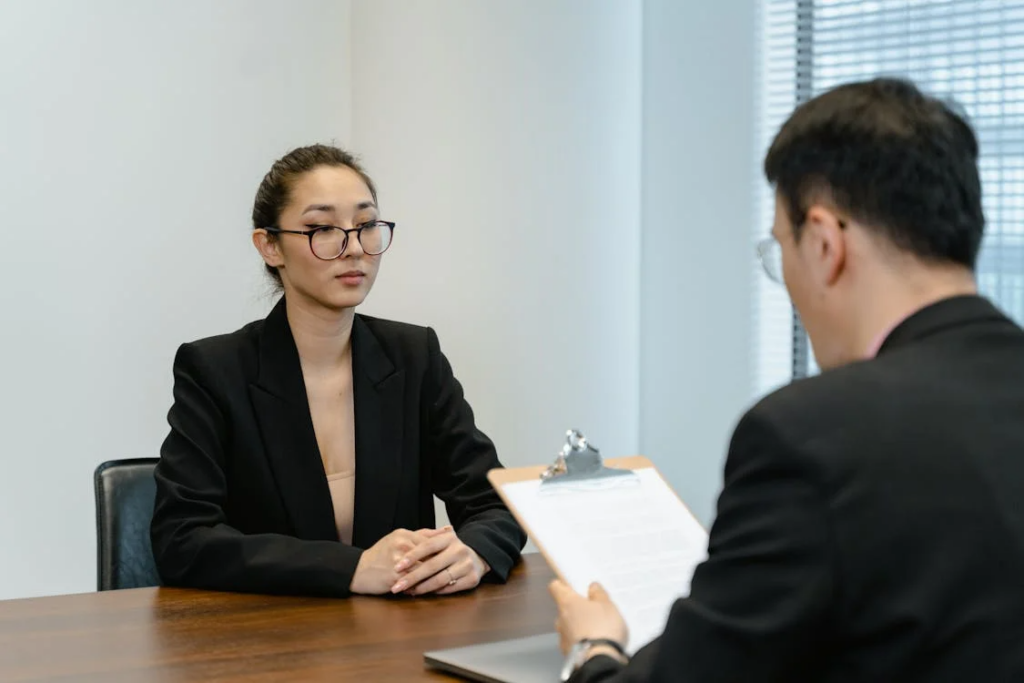

By taking advantage of opportunities available in college, students can build a resume while still in college and graduate with one that demonstrates meaningful preparation for their chosen careers.
Many students worry that they cannot build a strong resume until after they graduate and begin working full-time. In reality, college years offer numerous opportunities to gain experience, develop skills, and achieve accomplishments that employers value. A well-developed student resume often reflects not only academic performance but also involvement in projects, internships, organizations, and part-time work.
Building a resume while still in college allows students to demonstrate initiative and career readiness before entering the job market. Employers often look for evidence that graduates can apply their knowledge in real-world situations and contribute effectively to professional environments.
Gaining Experience Through Internships
Internships are one of the most effective ways for students to build resume experience before graduating. These positions allow students to work within professional organizations while still completing their degrees.
During internships, students may assist with research, contribute to projects, analyze data, or support marketing campaigns, depending on the field. These experiences demonstrate that students can apply academic knowledge in practical settings.
Internships also help students develop workplace skills such as communication, collaboration, and time management. Because employers frequently prioritize candidates with hands-on experience, internships often play a major role in strengthening a student’s resume.
Even short-term internships or part-time placements can provide valuable accomplishments to include on a resume.
Explore Why Internships Matter More Than Many Students Realize to strengthen your resume.
Participating In Campus Organizations
Student organizations offer another valuable way to build resume credentials. Clubs and campus groups often provide leadership opportunities and practical experience in teamwork and project management.
For example, students may serve as officers within academic clubs, cultural organizations, or student government groups. These leadership roles demonstrate responsibility, initiative, and organizational skills.
Organizing campus events, managing budgets for student organizations, or coordinating volunteer projects can also provide experiences that translate well to professional environments.
Employers often view involvement in student organizations as evidence that a candidate can collaborate with others and contribute to group initiatives.
See How Student Organizations Build Career Skills to connect with real-world experience.
Developing Skills Through Part-Time Work
Part-time jobs during college can also strengthen a student’s resume. Even positions that are not directly related to a student’s major can demonstrate valuable skills.
Customer service roles, for example, often involve communication, problem-solving, and conflict resolution. Retail and hospitality jobs may develop teamwork, multitasking, and time-management skills.
Employers frequently recognize that balancing work and academic responsibilities requires discipline and organization. Including part-time employment on a resume can, therefore, highlight a student’s ability to manage multiple commitments effectively.
Students can emphasize the transferable skills gained from these experiences when applying for internships or entry-level positions.
Read What Employers Look For In Recent Graduates to align your skills with hiring expectations.
Academic Projects And Research Experience
Classroom assignments and academic projects can also strengthen a resume when presented effectively.
Research projects, group presentations, and major coursework assignments often involve analytical thinking, writing, and collaboration. These projects can demonstrate subject-matter expertise and the ability to solve complex problems.
Students who participate in undergraduate research programs may work directly with faculty members on academic studies. These experiences can provide valuable exposure to research methods and professional communication within academic fields.
Including major academic projects on a resume helps show employers how students have applied their knowledge during their studies.
Check Internships That Turn Into Full-Time Job Offers to understand how early roles lead to careers.
Using Career Centers And Professional Resources
Many universities offer career centers that help students build resumes and prepare for the job market. These offices often host workshops, resume reviews, and career fairs that connect students with potential employers.
Career advisors can help students identify experiences that belong on their resumes and present them in a way that highlights relevant skills.
Attending networking events, career panels, and employer presentations can also help students learn more about industry expectations and discover internship opportunities.
By using these campus resources and actively seeking opportunities to gain experience, students can graduate with resumes that reflect both academic achievement and practical preparation for their future careers.