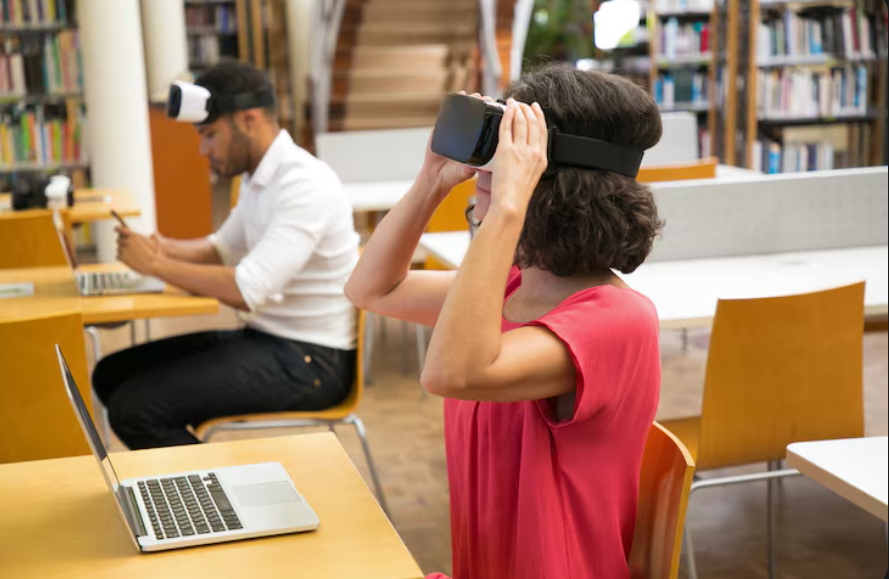

By focusing on the qualities employers commonly seek, students can position themselves as stronger candidates when entering the job market after graduation.
Graduating from college is a major milestone, but earning a degree is only one part of preparing for a professional career. Employers evaluating recent graduates often look beyond academic credentials when deciding whom to hire. They want candidates who can apply their education effectively in real workplace situations.
As industries evolve and workplaces become more collaborative and technology-driven, employers increasingly seek graduates who combine knowledge with practical skills and professional attitudes. Understanding what hiring managers value can help students prepare more effectively while they are still in school.
Strong Communication Skills
One of the most frequently cited qualities employers look for is effective communication. In many roles, employees must clearly explain ideas, collaborate with colleagues, and interact with clients or customers.
Communication skills include both written and verbal abilities. Graduates who can write clear emails, reports, and presentations often stand out to employers. Likewise, the ability to speak confidently in meetings or discussions is valuable in many professional environments.
Students can develop communication skills through coursework, presentations, group projects, internships, and campus activities. Practicing these skills during college helps graduates transition more smoothly into professional roles.
Explore How To Build A Resume While Still In College for ways to present skills clearly.
Problem-Solving And Critical Thinking
Employers also value graduates who can analyze challenges and develop thoughtful solutions. Critical thinking involves evaluating information, considering different perspectives, and making sound decisions based on available evidence.
In many workplaces, employees encounter unexpected situations that require creativity and adaptability. Graduates who demonstrate the ability to approach problems methodically and propose practical solutions are often highly valued.
Students develop these abilities through academic research, case studies, internships, and project-based learning experiences. Courses that require analytical thinking or complex assignments can also strengthen these skills.
Employers often ask interview questions designed to evaluate how candidates approach problem-solving in real-world situations.
See The Role Of Undergraduate Research In Career Development to build analytical experience.
Teamwork And Collaboration
Modern workplaces rarely operate in isolation. Many projects require collaboration between departments, teams, or individuals with different areas of expertise.
Because of this, employers often look for graduates who can work effectively with others. Teamwork involves listening to colleagues, sharing ideas respectfully, and contributing to group goals.
Students can demonstrate teamwork through participation in group assignments, student organizations, volunteer work, and collaborative research projects.
Employers often view these experiences as indicators that candidates can work effectively with others in professional environments.
Learn How Networking Works For College Students to build professional connections.
Initiative And Work Ethic
Employers appreciate graduates who demonstrate initiative and responsibility. Employees who take ownership of their work and seek ways to improve processes often become valuable members of an organization.
Initiative may appear in many forms, such as volunteering for challenging assignments, suggesting new ideas, or proactively solving problems before they escalate.
A strong work ethic is also important. Meeting deadlines, maintaining reliability, and following through on commitments help build trust with supervisors and colleagues.
Students who balance academic responsibilities with internships, part-time jobs, or extracurricular activities often demonstrate the discipline and motivation employers respect.
Relevant Experience And Technical Skills
While soft skills are important, employers also look for candidates with relevant experience and technical knowledge for the role.
Internships, cooperative education programs, research projects, and part-time jobs can all provide practical experience that strengthens a graduate’s resume.
Technical skills vary by field but may include proficiency with software tools, data analysis methods, industry-specific technologies, or specialized equipment.
Graduates who combine strong interpersonal skills with practical experience and technical knowledge often present the most compelling profiles to employers.
By focusing on communication, critical thinking, teamwork, initiative, and hands-on experience during their college years, students can prepare to meet employers’ expectations and begin their careers with confidence.
Check Why Internships Matter More Than Many Students Realize to connect experience with hiring outcomes.