
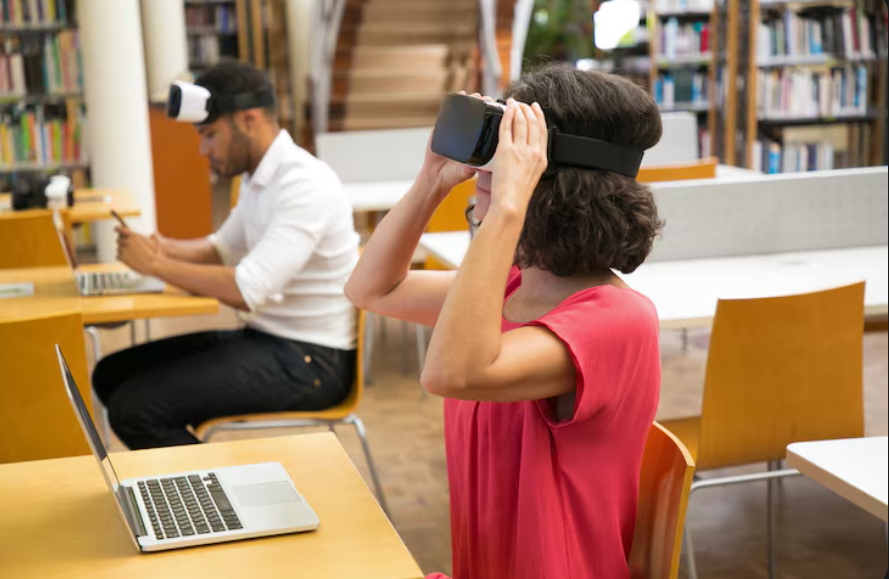
Experiential learning allows students to apply classroom concepts in real-world environments. The goal is to help learners connect academic knowledge with practical skills that prepare them for professional careers.
Higher education has traditionally focused on lectures, textbooks, and exams as the primary methods of learning. While these academic tools remain important, many universities now emphasize another approach: experiential learning. This model encourages students to learn through direct experience rather than relying only on theoretical instruction.
Instead of simply studying ideas, students practice them through projects, internships, research, simulations, and community-based experiences.
The Core Idea Behind Experiential Learning
Experiential learning is based on the idea that people often understand concepts more deeply when they actively engage with them. When students apply what they learn in realistic situations, they gain insights that may not emerge through lectures alone.
For example, a business student might learn about marketing strategies in a classroom. Through experiential learning, that same student might develop a real marketing campaign for a local nonprofit organization. By doing the work directly, the student learns how theories function in practice.
This type of learning also encourages reflection. After completing a project or experience, students often analyze what worked, what didn’t, and how they would approach similar challenges in the future.
Explore Why Internships Matter More Than Many Students Realize for real-world experience insights.
Common Forms Of Experiential Learning
Universities incorporate experiential learning in several ways. One of the most widely known examples is internships, where students work with organizations to gain practical experience in their field.
Another example is undergraduate research. Students collaborate with faculty members on research projects, helping design experiments, gather data, or analyze findings. This experience allows students to engage directly with the process of knowledge creation.
Service-learning programs also fall into this category. These initiatives combine community service with academic coursework. Students apply what they learn in class to address real needs in their communities.
See The Role Of Undergraduate Research In Career Development for hands-on academic experience.
Simulations And Project-Based Learning
Not all experiential learning takes place outside the classroom. Many universities use simulations and project-based assignments to replicate real-world challenges.
For instance, engineering students might work together to design and build prototypes, while nursing students practice medical procedures using advanced simulation technology. Law students often participate in mock trials, and business students may run simulated companies.
These activities allow students to practice decision-making in controlled environments where mistakes become valuable learning opportunities rather than costly professional errors.
How Experiential Learning Benefits Students
Experiential learning helps students develop practical skills that employers value. Through hands-on experiences, students learn how to communicate effectively, collaborate with teams, and solve problems in complex situations.
Another benefit is increased confidence. Students who have already worked on real projects or worked in professional environments often feel better prepared for the workforce after graduation.
Experiential learning also helps students clarify their career interests. By trying different types of work or research projects, students can determine whether a particular field truly fits their interests and strengths.
Learn What Employers Look For In Recent Graduates to align skills with hiring expectations.
The Role Of Universities And Employers
Successful experiential learning programs often involve collaboration between universities and external organizations. Companies, nonprofit groups, and government agencies may partner with universities to provide internships, research opportunities, or project collaborations.
These partnerships benefit both sides. Employers gain access to talented students who can contribute fresh ideas and energy to projects. Universities, in turn, ensure their students receive practical experiences that complement academic learning.
Some institutions now design entire degree programs around experiential learning, integrating internships, research projects, and community engagement throughout the curriculum.
Check How To Build A Resume While Still In College to showcase practical experience effectively.
Preparing Students For Real-World Careers
The modern job market increasingly rewards practical experience. Employers often seek graduates who can contribute quickly without extensive training.
Experiential learning helps students develop the adaptability and problem-solving skills required in professional environments. By encountering real challenges during their education, students build the confidence to navigate complex workplaces after graduation.
As universities continue evolving their teaching models, experiential learning is likely to remain a central component of higher education. It bridges the gap between academic theory and professional practice, helping students turn knowledge into meaningful career preparation.